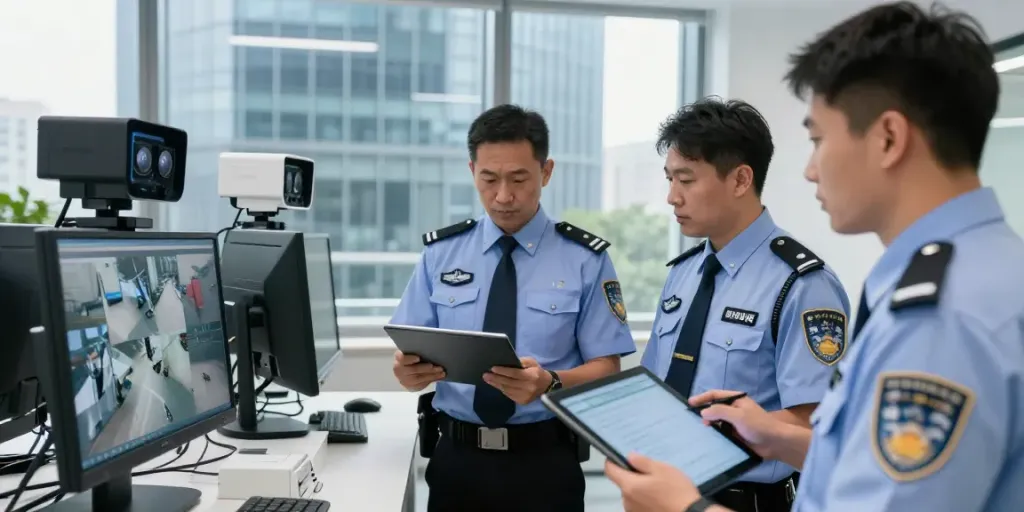
Understanding Corporate Security: Essential Concepts
In today’s unpredictable landscape, corporate security stands as a critical component for businesses striving to protect their assets, personnel, and overall integrity. With the escalating concerns surrounding theft, vandalism, and data breaches, having an effective security strategy is no longer optional but a necessity for organizations of all sizes. In London, where the complexity of security threats is magnified, understanding the nuances of corporate security becomes paramount. When exploring options, Corporate Security services can offer tailored solutions to mitigate the risks facing businesses today.
What is Corporate Security?
Corporate security encompasses a multitude of strategies and actions designed to safeguard an organization’s operational continuity, assets, and personnel from both internal and external threats. This field combines physical security measures—such as security personnel and surveillance systems—with procedural protocols, such as risk assessments and compliance checks. The goal of corporate security is not just to prevent incidents but also to foster an environment where employees feel secure, and business operations can thrive without disruption.
Importance of Corporate Security to Local Businesses
Local businesses play a pivotal role in the economy, and their security should be prioritized to ensure sustainable operations. Effective corporate security helps in:
- Protecting Assets: Security measures prevent theft, damage, or loss of property, ensuring that assets remain safe.
- Maintaining Customer Trust: Customers are more likely to engage with businesses that prioritize their safety and that of their assets.
- Compliance with Regulations: Many industry regulations mandate specific security measures to protect sensitive information and operations.
- Enhancing Workplace Safety: A secure workplace reduces the risk of workplace violence and accidents.
Roles and Responsibilities of Security Personnel
The roles of security personnel are diverse and can vary widely depending on the specific needs of a business. Broadly, their responsibilities include:
- Monitoring and Surveillance: Continuous observation of premises through cameras and patrols.
- Access Control: Managing who enters and exits business premises, ensuring that unauthorized personnel are not granted access.
- Emergency Response: Acting swiftly during emergencies, including medical incidents, fire alarms, or criminal activities.
- Incident Reporting: Documenting incidents, breaches, or any unusual activity for further action.
Choosing the Right Corporate Security Partner
Finding a reliable corporate security partner can significantly impact the effectiveness of your security strategy. Here’s what to consider when making your choice:
Key Qualities to Look for in a Security Company
Not all security firms are created equal. When evaluating potential partners, consider the following qualities:
- Experience and Reputation: A proven track record in corporate security, particularly within your industry.
- Training and Certification: Ensure that their personnel are certified and trained in essential areas like first aid, conflict resolution, and emergency response.
- Customer-Centric Approach: Look for companies that prioritize client needs and have transparent communication processes.
- Technological Integration: Modern security measures often leverage technology; ensure the company uses current tools for monitoring and risk assessment.
Assessing Industry Certifications and Accreditations
Accreditations are a reflection of a company’s commitment to quality. Examine the certifications held by the security provider, such as:
- SIA Approved Contractor: A benchmark of quality in the private security sector in the UK.
- ISO Certifications: Standards demonstrating adherence to international quality and management practices.
- NSI Gold Standard: Reflects exceptional service and commitment to continuous improvement.
Local Regulations and Compliance Factors
Understanding and complying with local laws and regulations is critical for a security company. Compliance ensures that the security measures put in place meet the legal standards set by bodies such as the Security Industry Authority (SIA). Regular audits and inspections should be central to the operations of any reputable security firm.
Pricing Guide for Corporate Security Services
Cost is a significant factor when considering the corporate security services you might deploy. It's crucial to understand how pricing works and what influences it.
Cost Breakdown of Security Services
Generally, the pricing for corporate security services can vary depending on several factors, including:
- Geographic Location: Prices may differ based on the area within London.
- Type of Service Required: Services like manned guarding typically cost more than remote monitoring.
- Duration: Whether services are needed for a single event or long-term contracts can affect rates.
Factors Influencing Corporate Security Pricing
Several factors can affect the overall costs of security services, such as:
- Complexity of the Assignment: More complex situations may require additional resources and expertise.
- Hours of Service: Round-the-clock security typically costs more than standard 9-to-5 hours.
- Specialization Requirements: Specialized services (like executive protection) will usually command higher fees.
Affordable Options for Small Enterprises
Small businesses often have budget constraints but still need robust security measures. Affordable options include:
- Consultation Services: Engaging a security firm for an initial risk assessment might be a cost-effective first step.
- Shared Security Resources: Partnering with other businesses to share security personnel and resources.
- Investing in Technology: Utilizing security technology like CCTV and alarm systems can reduce long-term costs.
Customer Experiences: Reviews and Testimonials
Understanding customer experiences can provide valuable insights into a security company’s effectiveness. Reviews and testimonials are great indicators of service quality.
Success Stories from Local Clients
Positive feedback from local clients can help validate a company’s reputation. Gathering testimonials can showcase how security measures have successfully mitigated risks for businesses within your locality.
The Impact of Client Feedback on Service Quality
Constructive feedback from previous clients can help a security firm identify areas for improvement, thereby enhancing service quality over time. Monitoring online reviews can provide key insights.
Building Trust through Transparent Interactions
Transparency in communication and operations is crucial for building trust with clients. Security companies should ensure clear and open channels for feedback and inquiries to foster strong relationships with their clients.
Emergency Corporate Security Services: What to Expect
Being prepared for emergencies is paramount in corporate security. Organizations should have a robust emergency response plan in place, tailored to their specific requirements.
Availability and Response Times
Evaluate the availability of security personnel during emergencies. Rapid response times can significantly mitigate potential damages during security incidents. Ensure the selected provider has adequate resources for immediate action.
Preparing for Holiday or Event Security Needs
Events like festive celebrations or large gatherings often require specialized security plans. Collaborate with your security team well in advance to ensure all potential risks are addressed, and adequate resources are designated.
Comprehensive Plans for Emergency Preparedness
Corporate security strategies should integrate comprehensive emergency plans, including evacuation protocols, communication strategies, and resource allocation to ensure all team members are aware of their responsibilities during an incident.. Additionally, Corporate Security provides further details.